Your Hotel Is Not “Bad at Social Media.”
your Hotel Is Disappearing From Search.
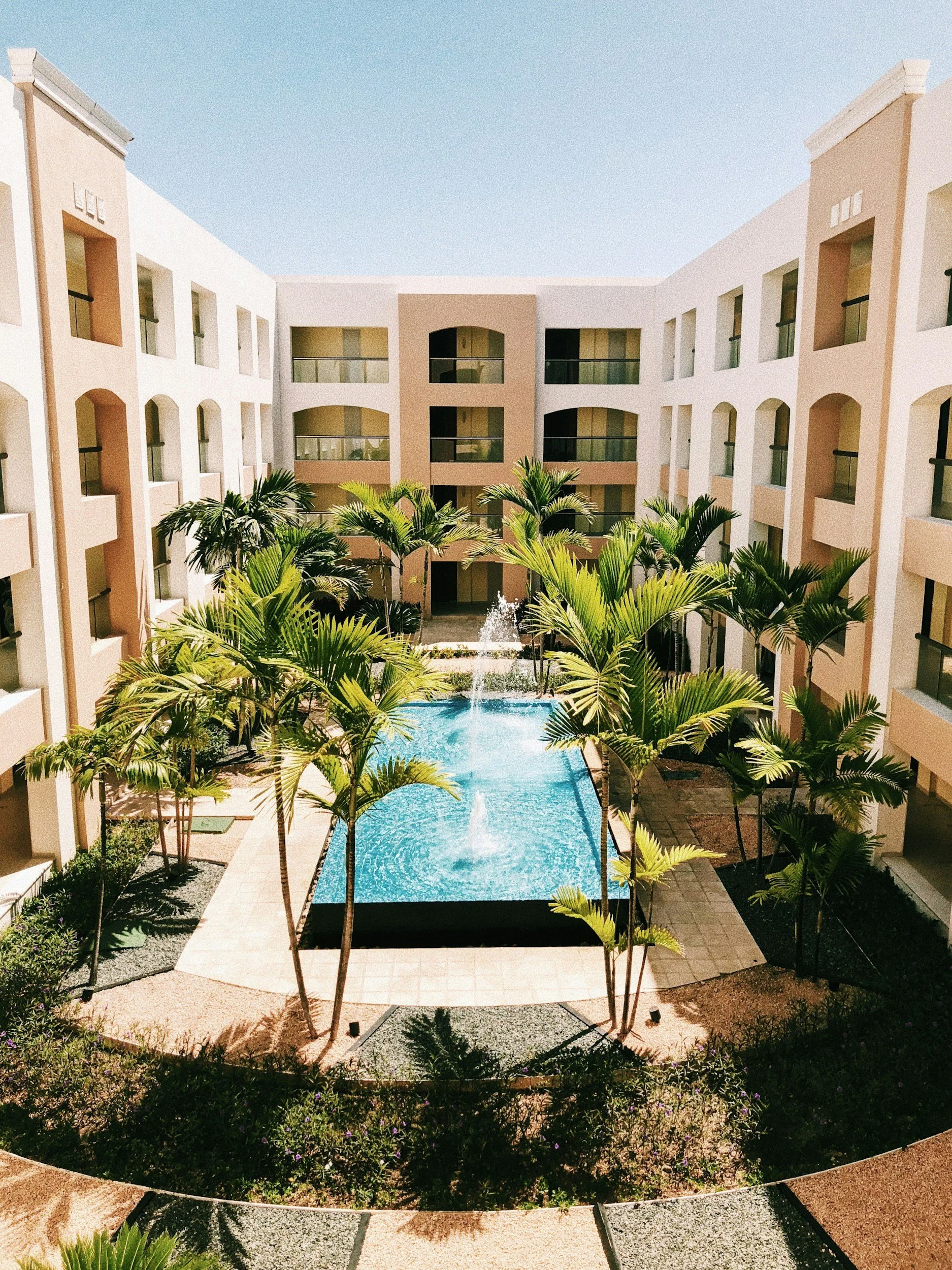
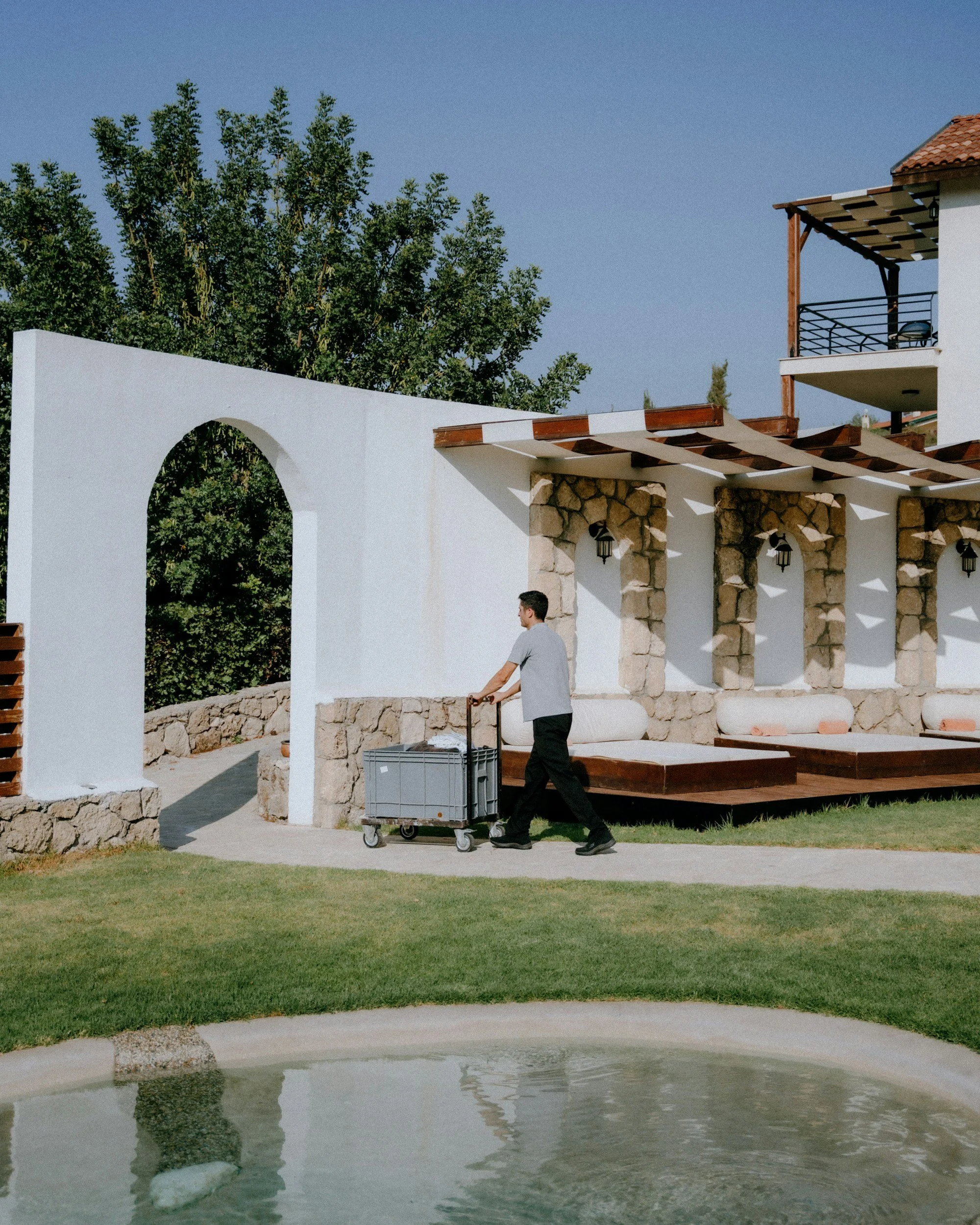
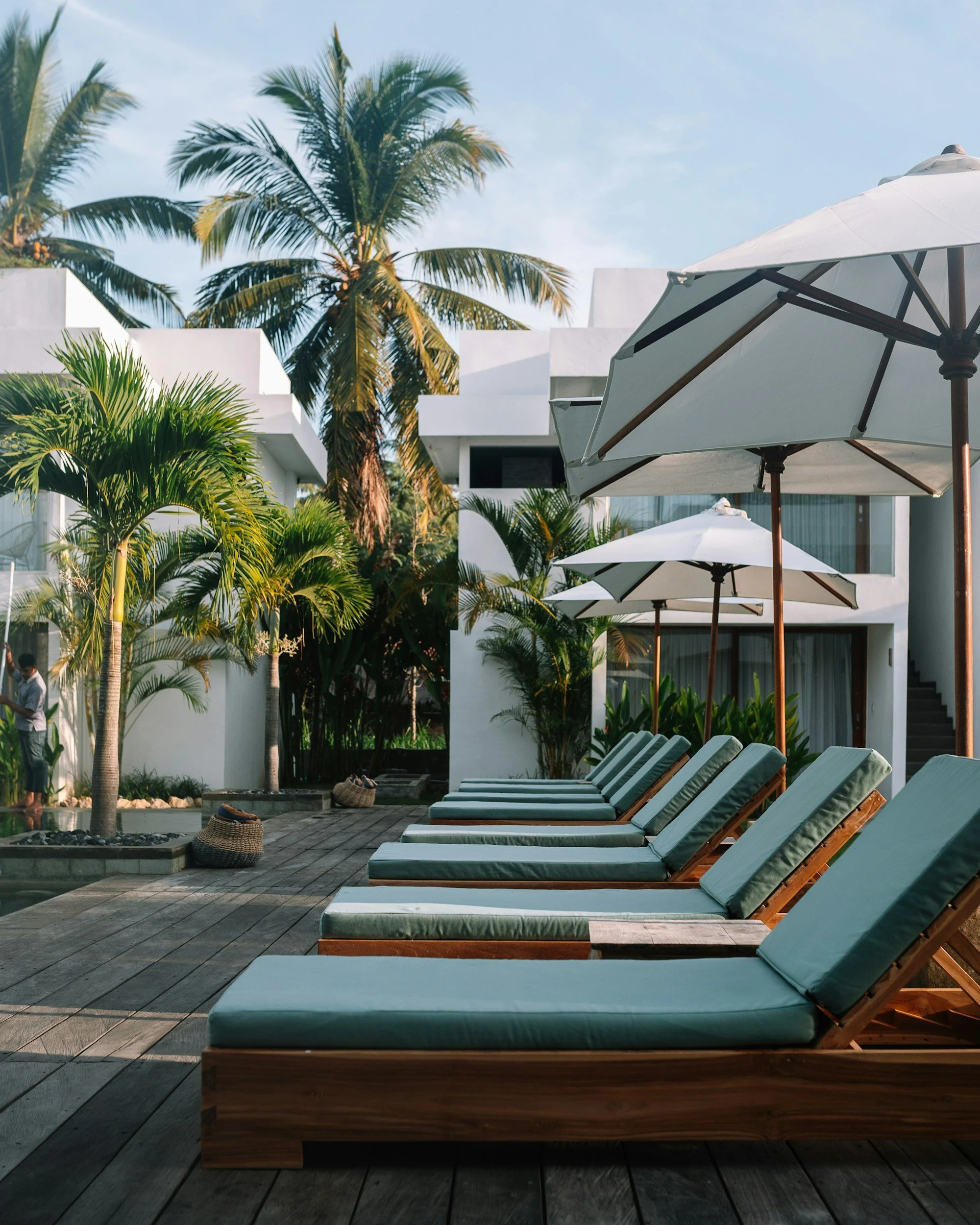
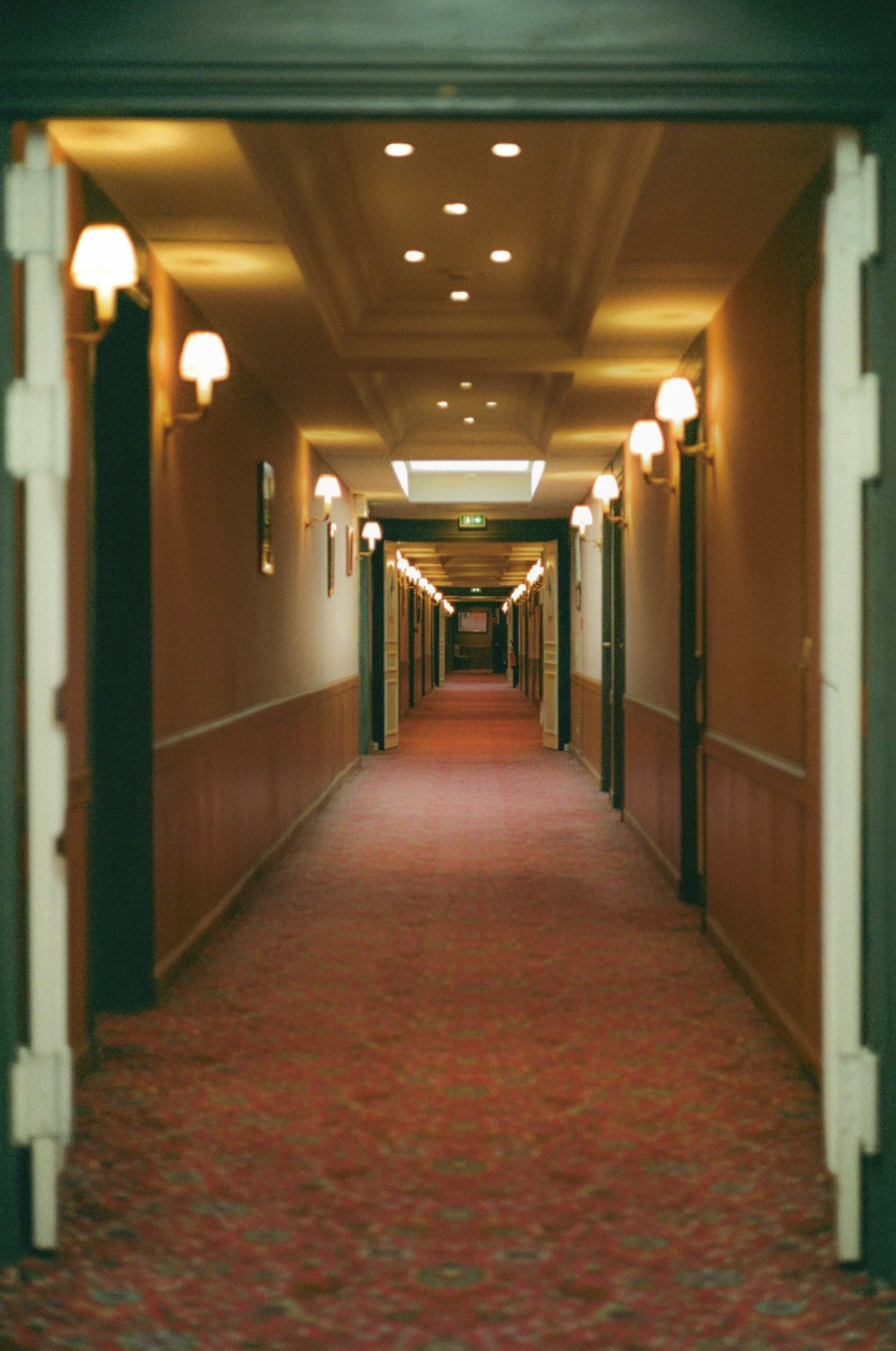
When a guest is deciding where to stay, they most likely do not begin by searching your hotel’s Instagram page.
They search questions:
“best boutique hotel near [landmark]”
“where to stay in [city] for a weekend”
“hotel with a rooftop / spa / restaurant / parking / suite”
“romantic hotel in [destination]”
“what to do near [hotel or neighbourhood]”
If your hotel does not have current, useful content answering those questions, it is increasingly invisible at the exact moment a guest is choosing.
That is not a social-media problem.
It is a search and discoverability problem.
A photo post disappears. Useful content keeps working.
A new social image may be seen for a day.
A properly built piece of content can keep being found for months or years:
a hotel guide tied to a neighbourhood;
a story about a suite, restaurant, spa, or experience;
a local itinerary that gives guests a reason to visit;
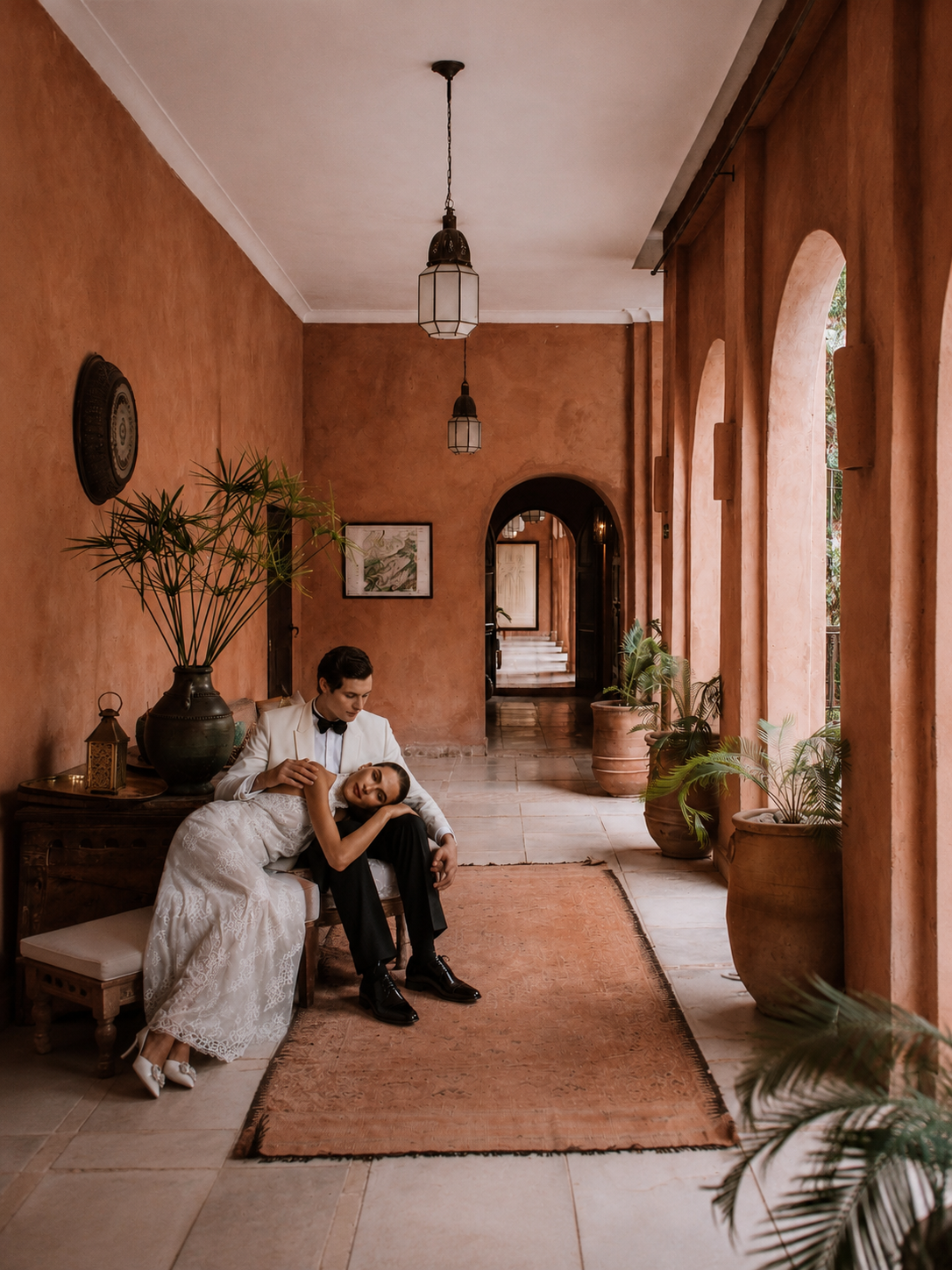
current photography and video that show what the stay is actually like;
articles from credible publishers that place the property in a real travel decision;
pages that answer questions future guests are already asking.
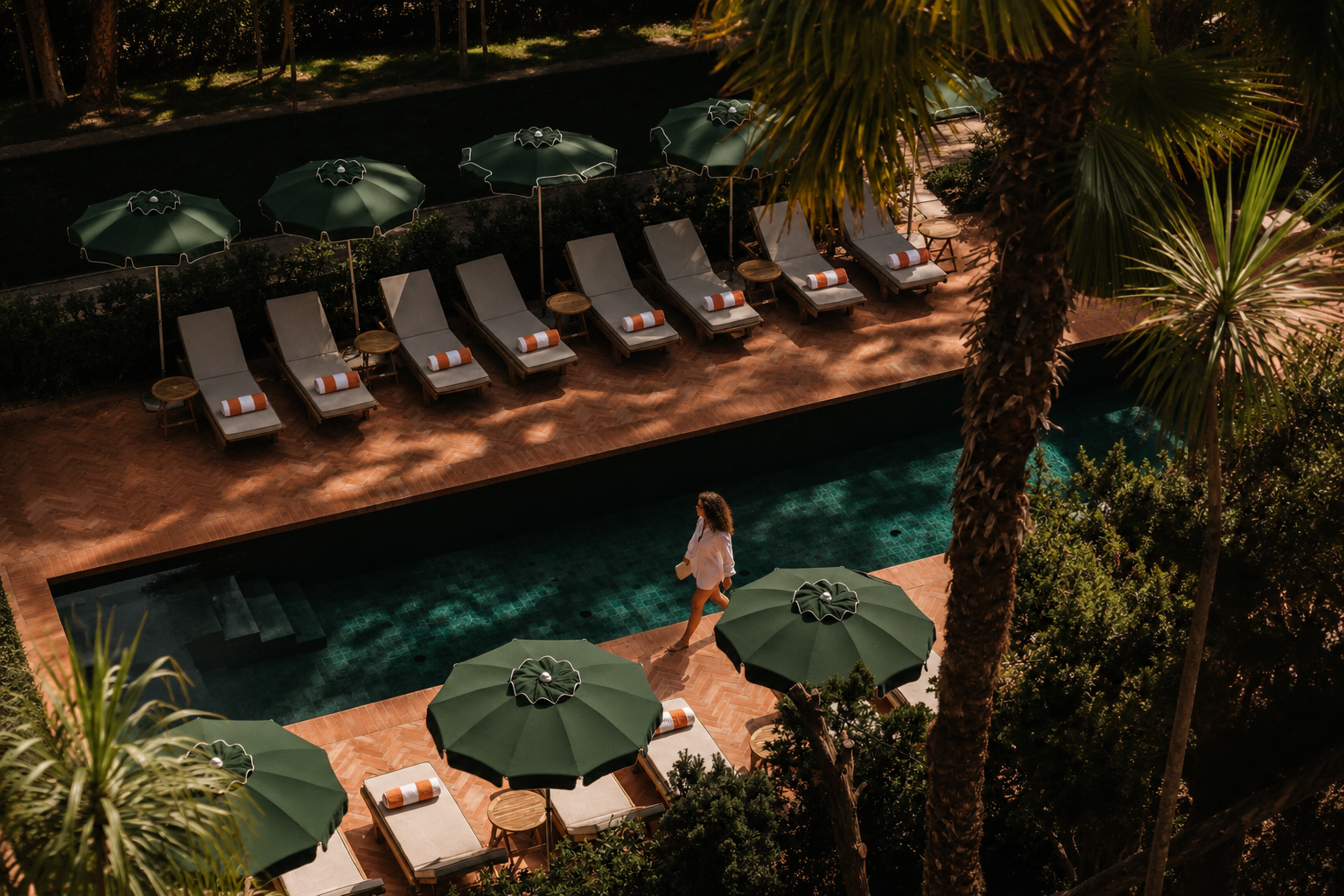
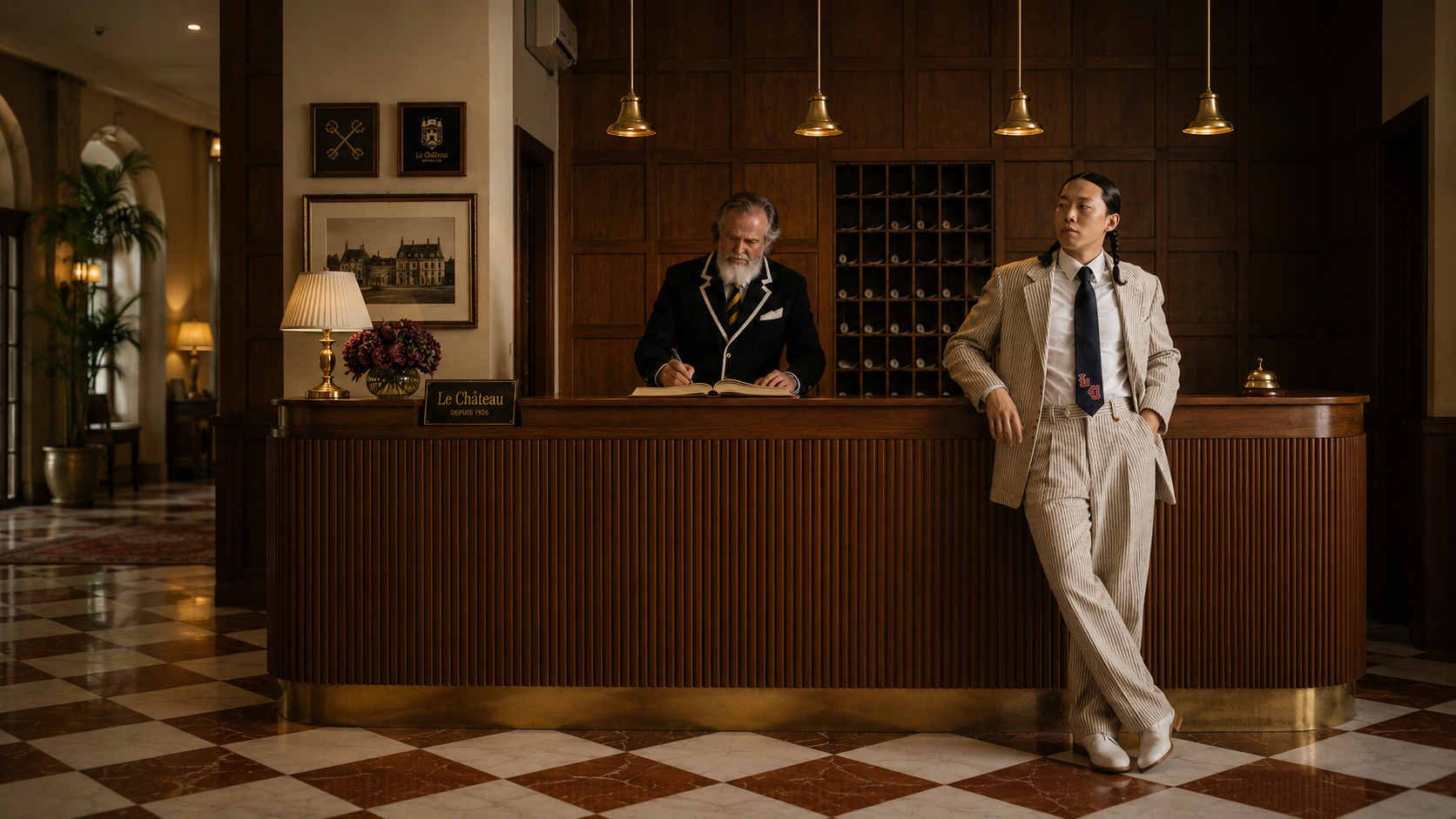
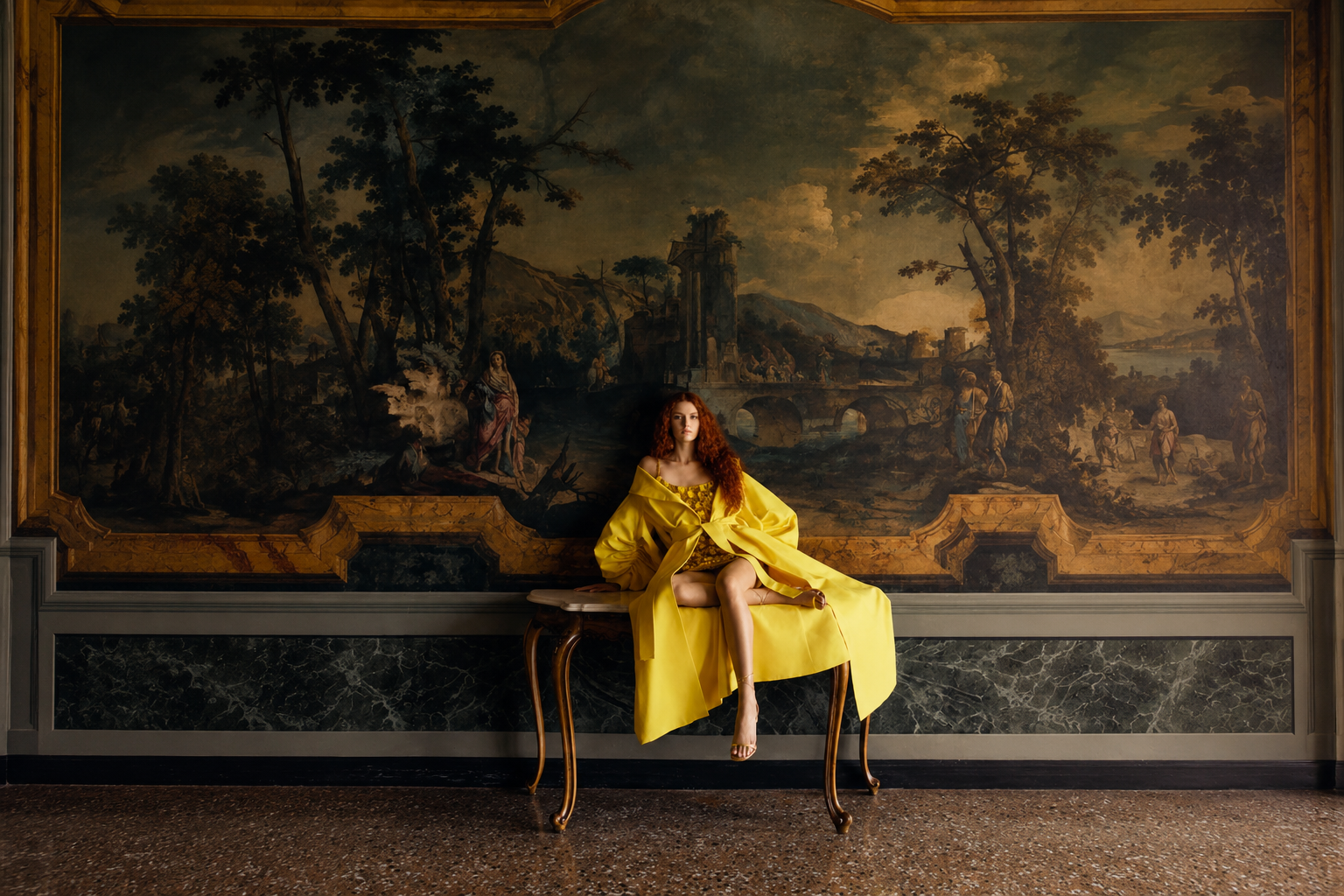

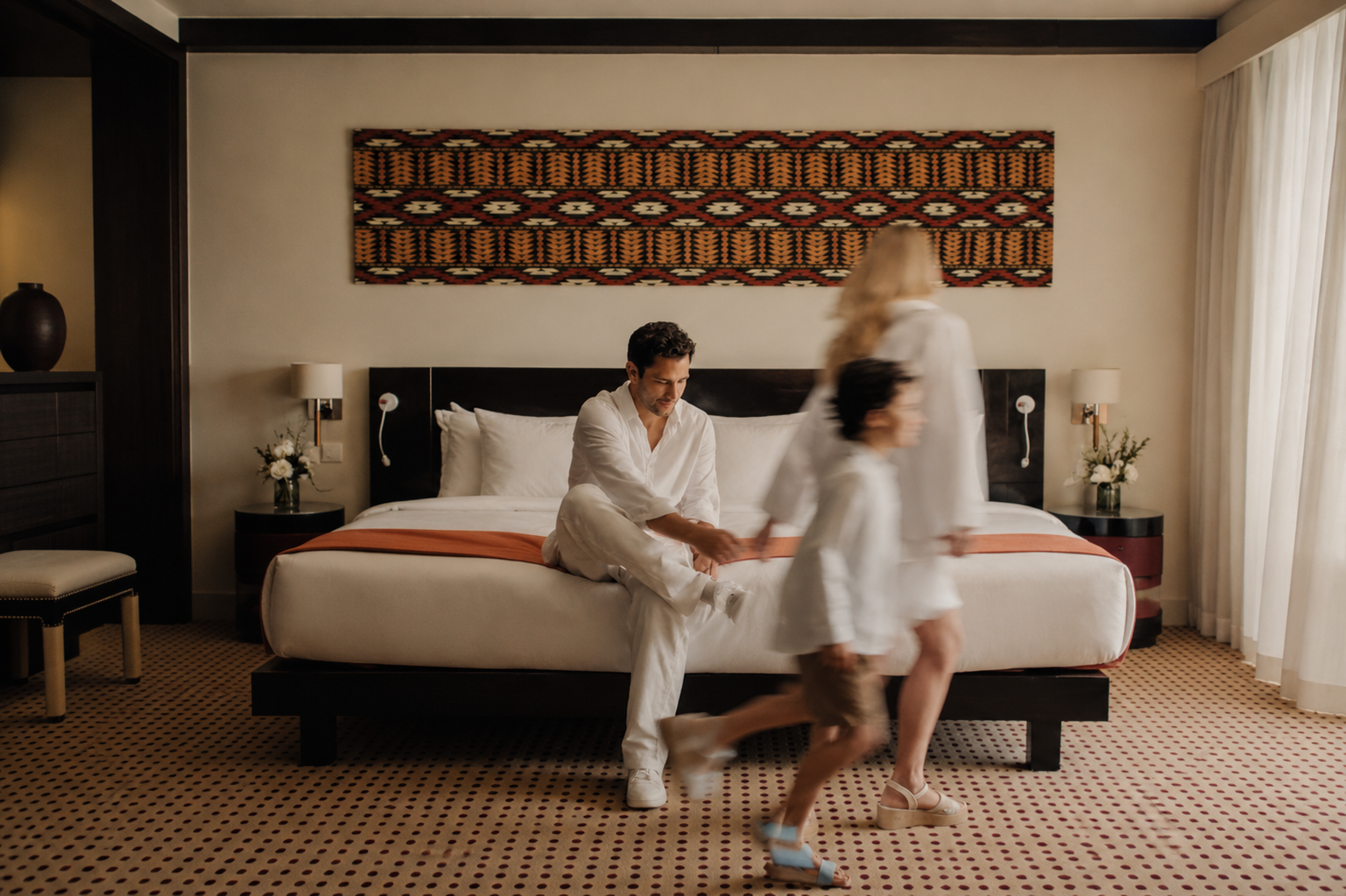
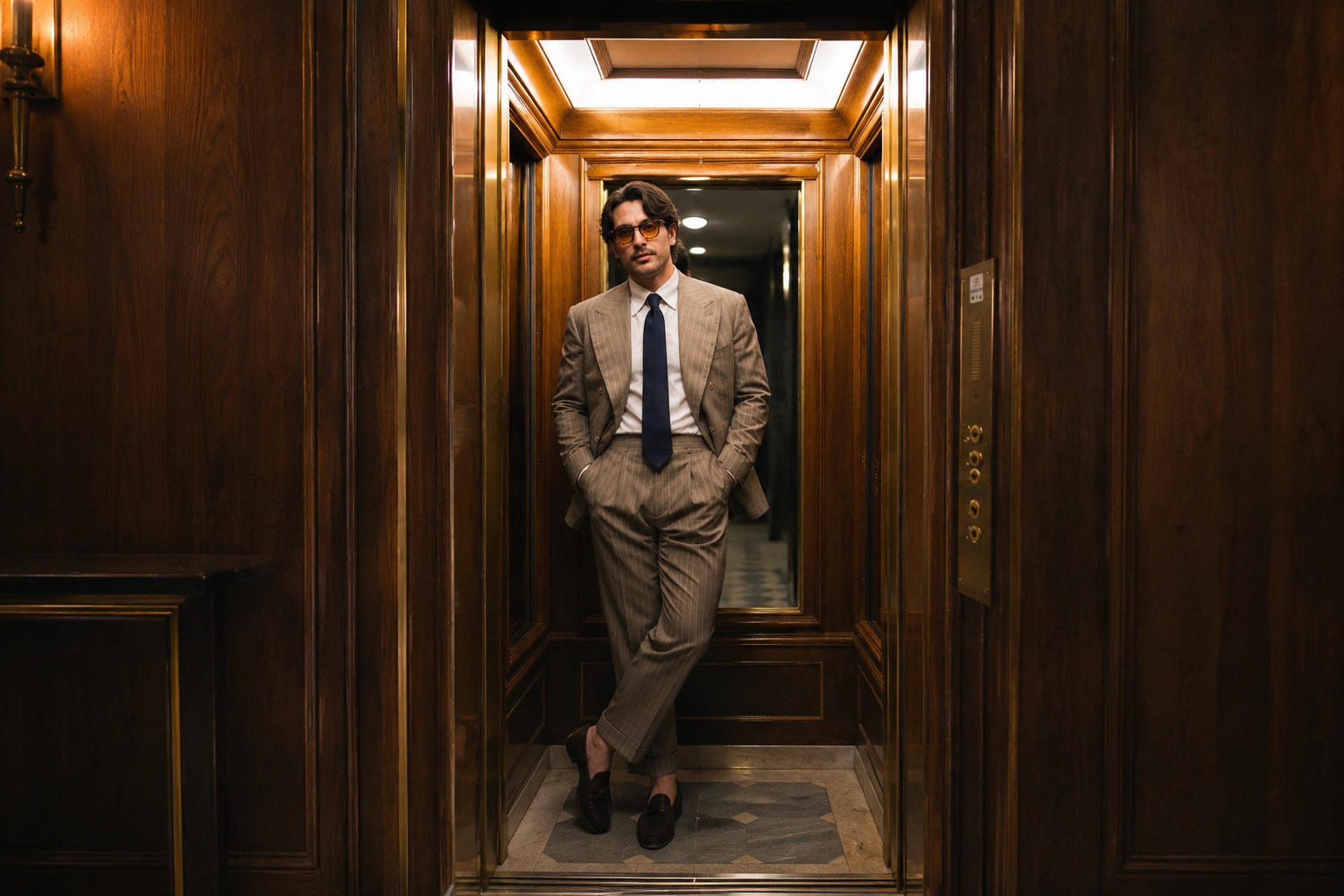
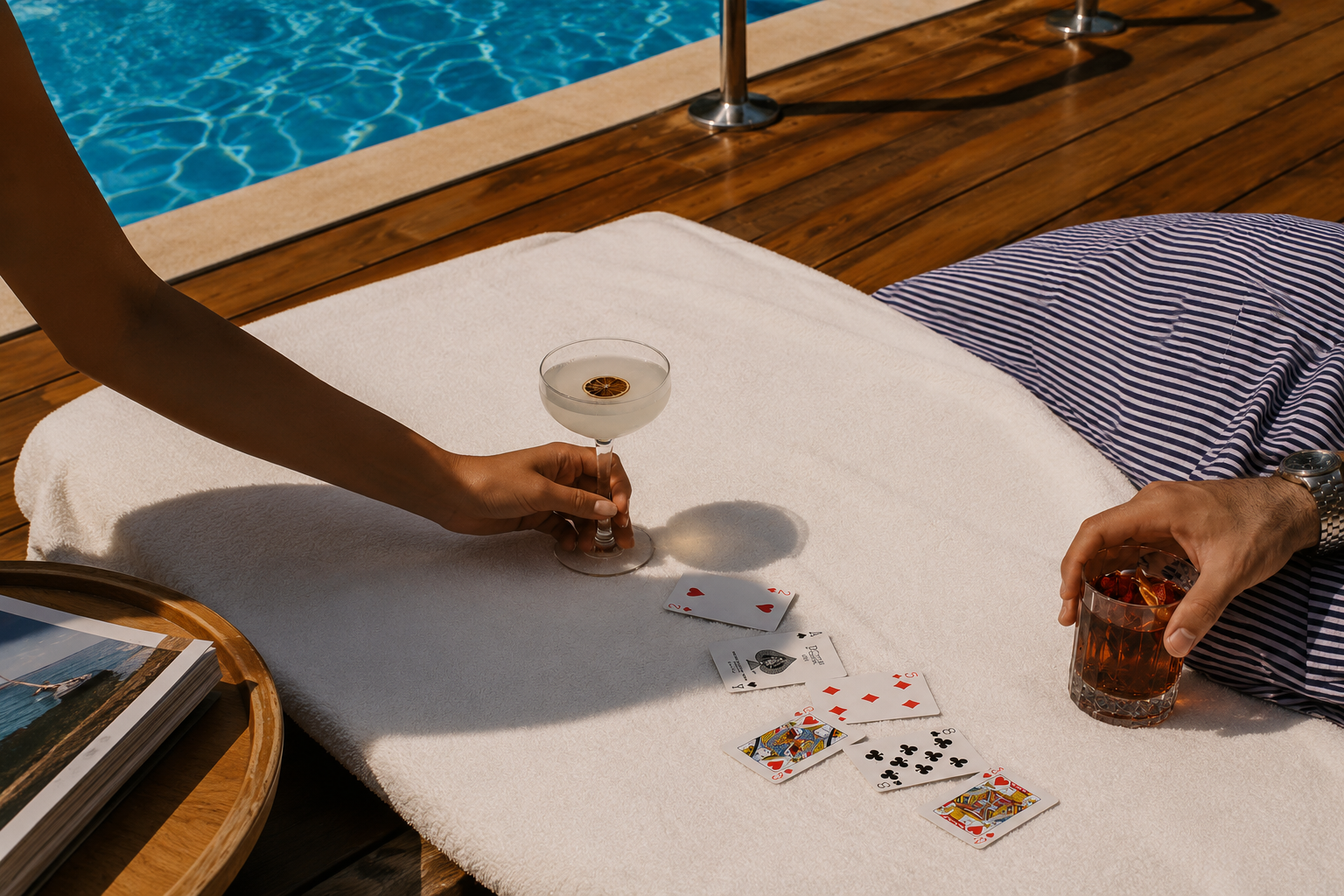
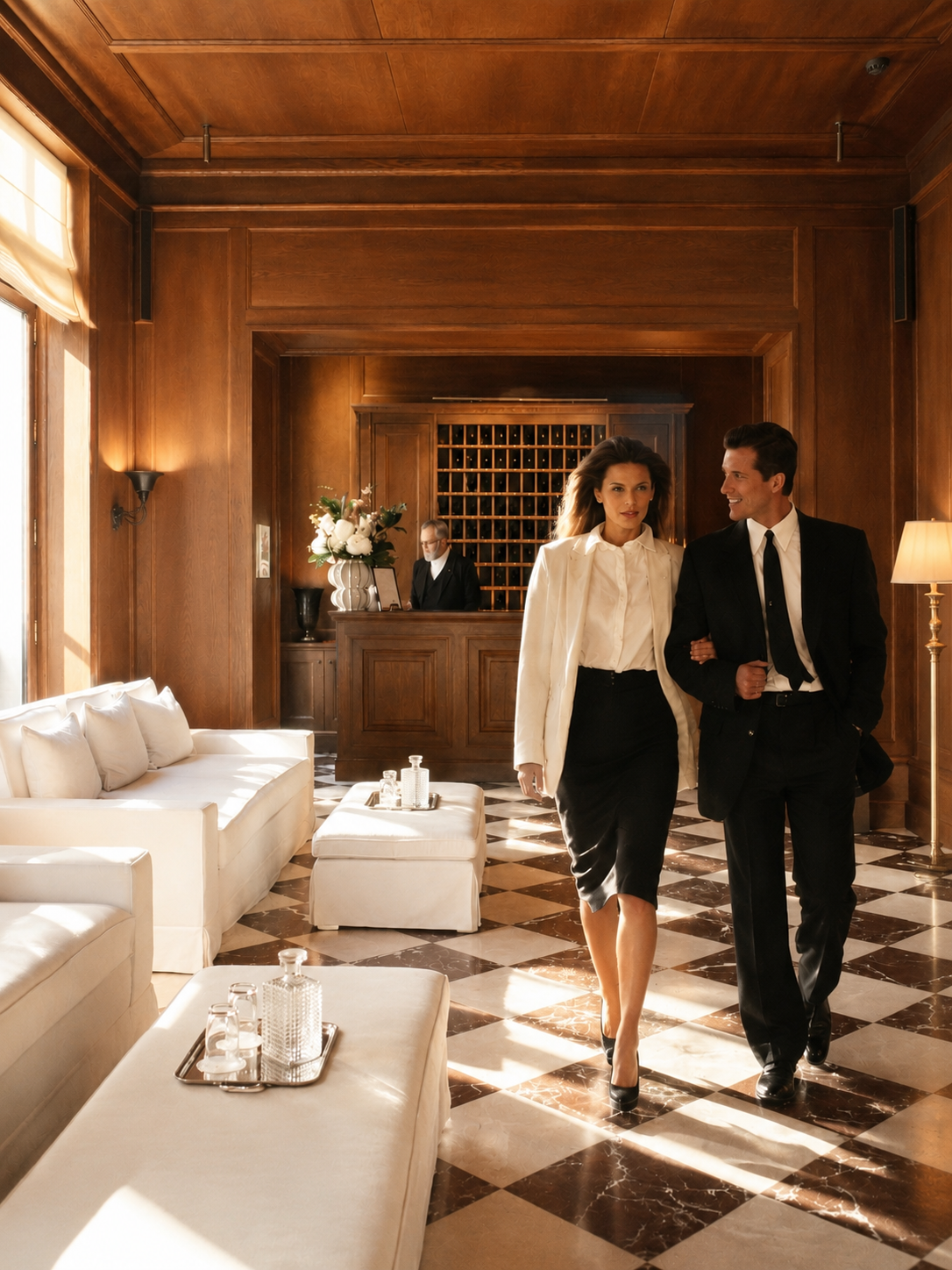
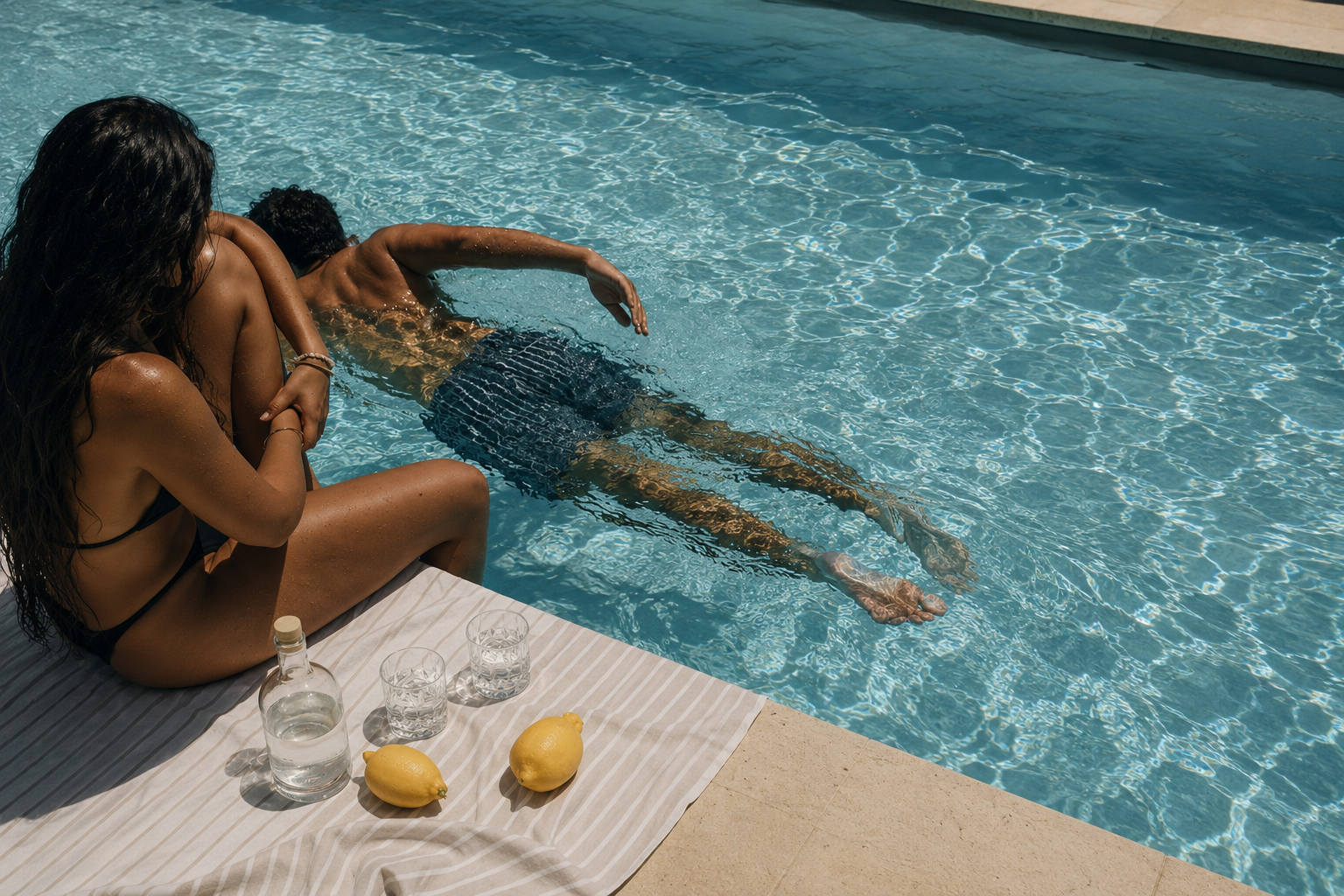
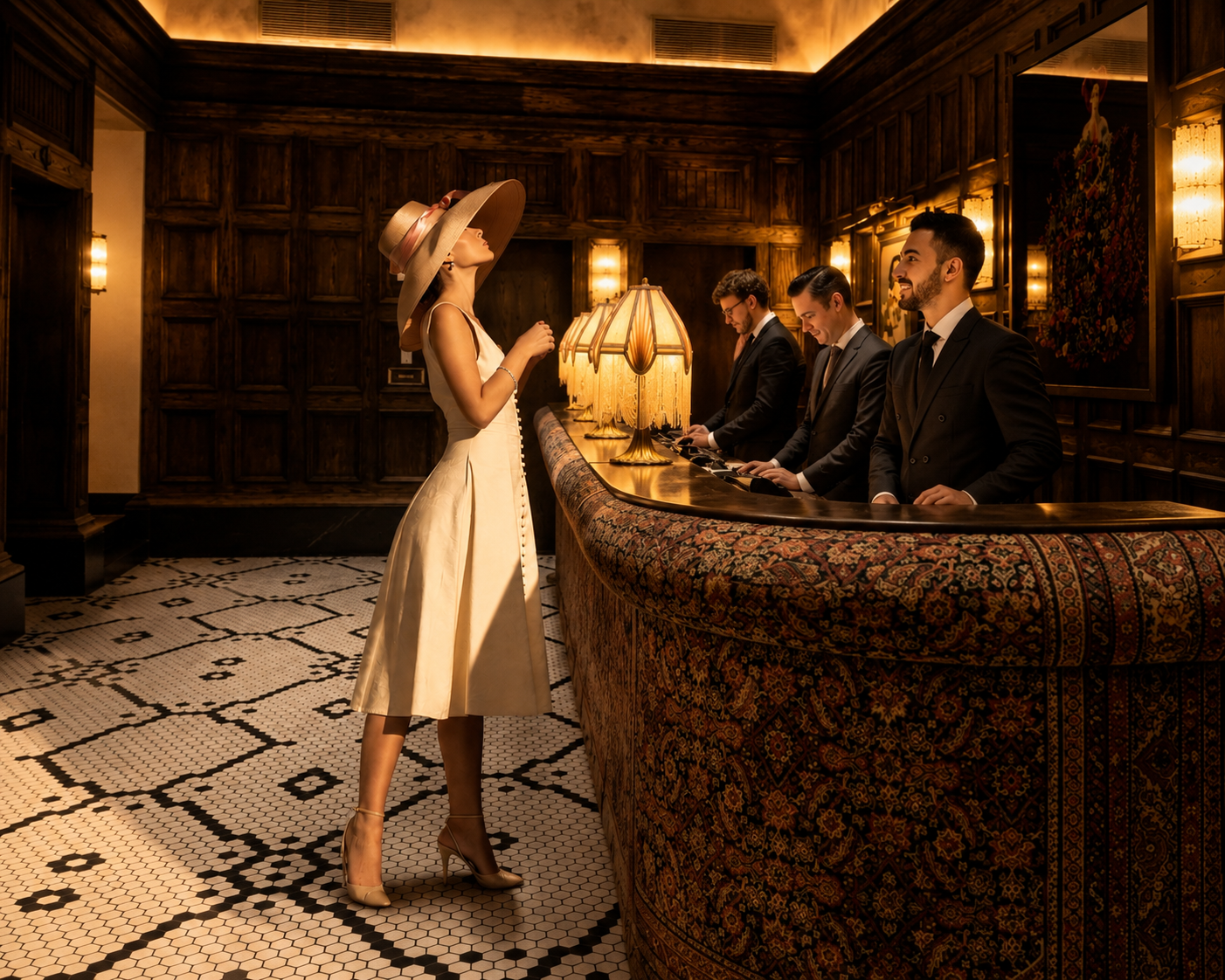
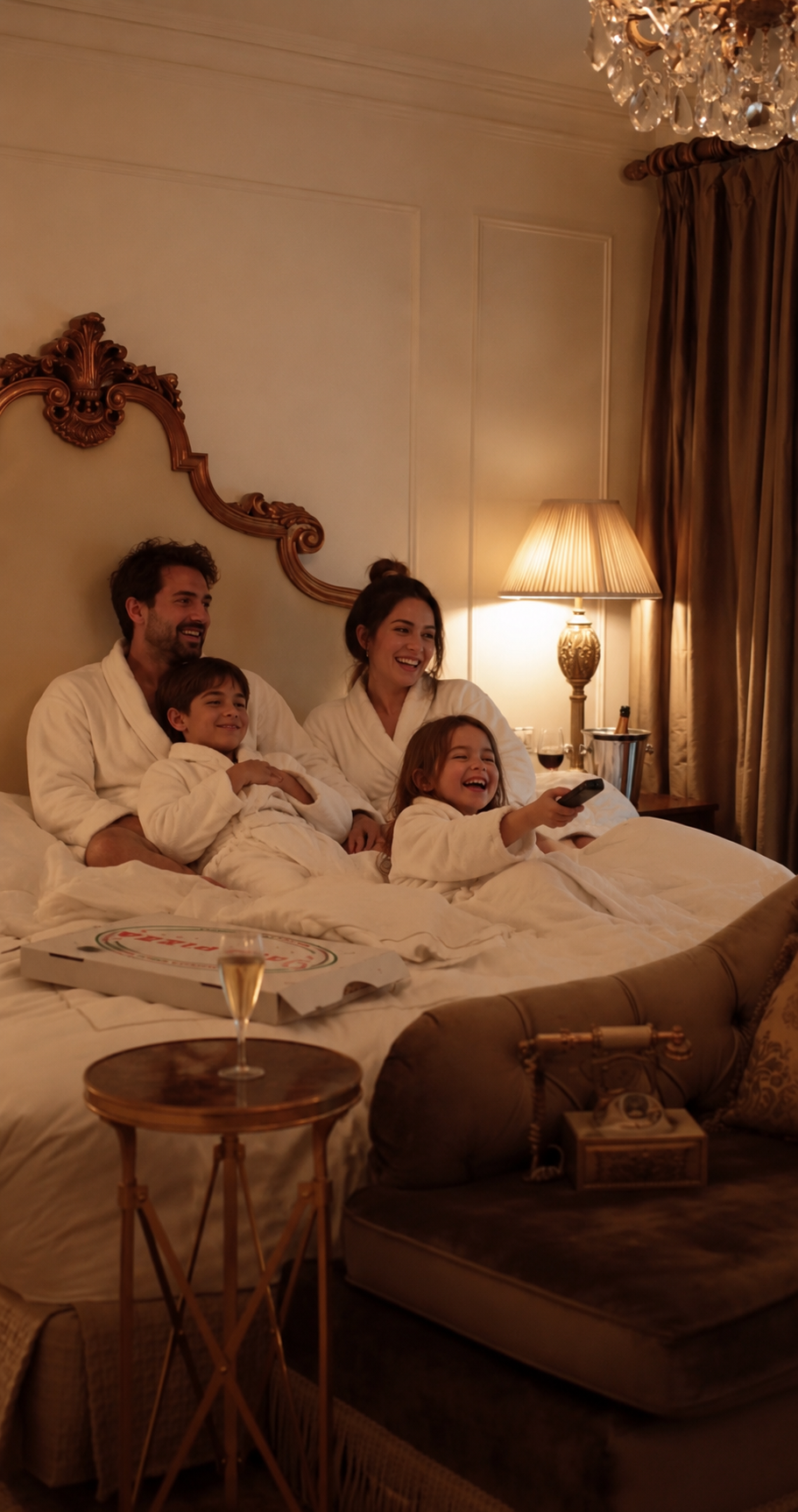
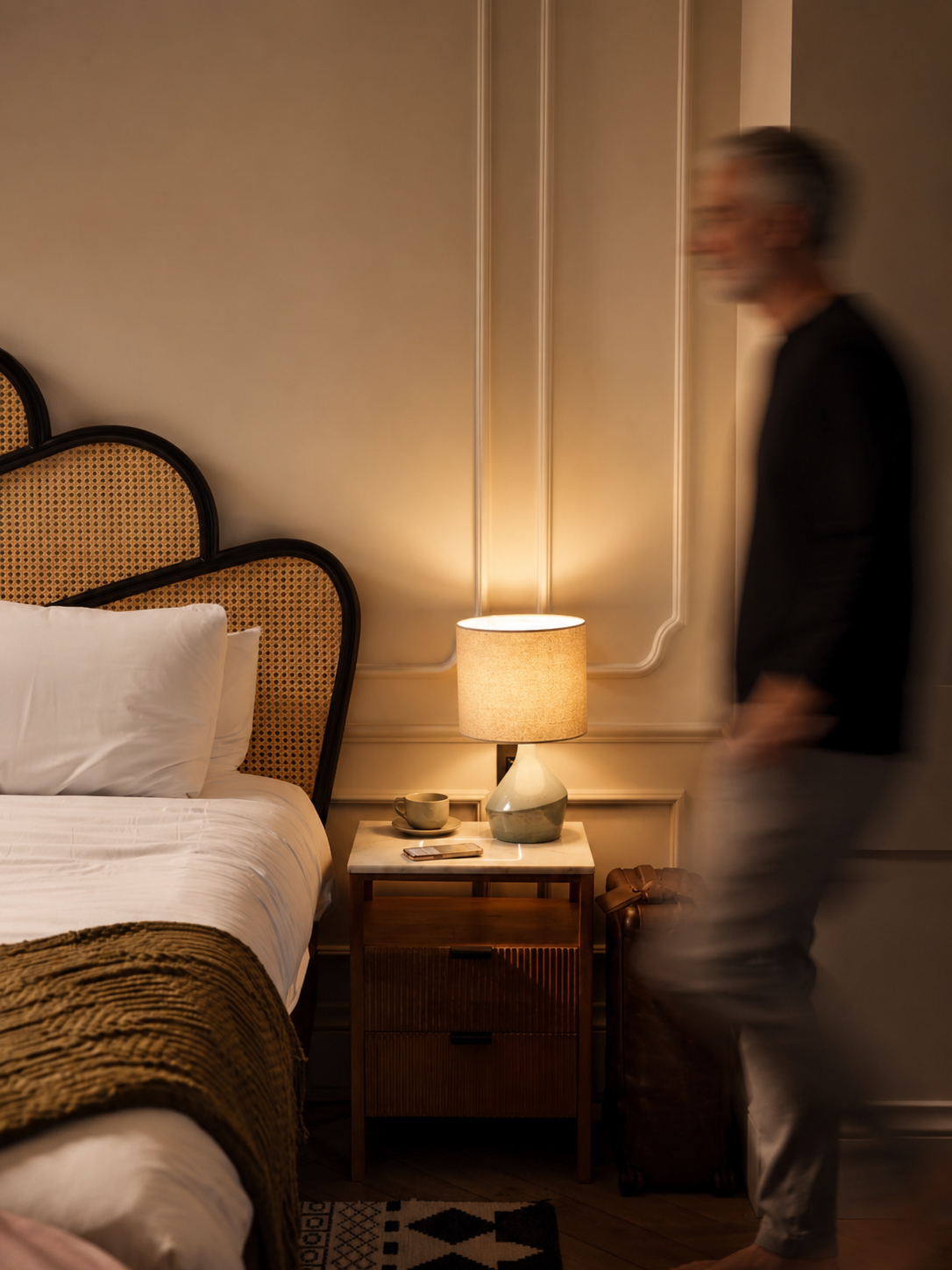
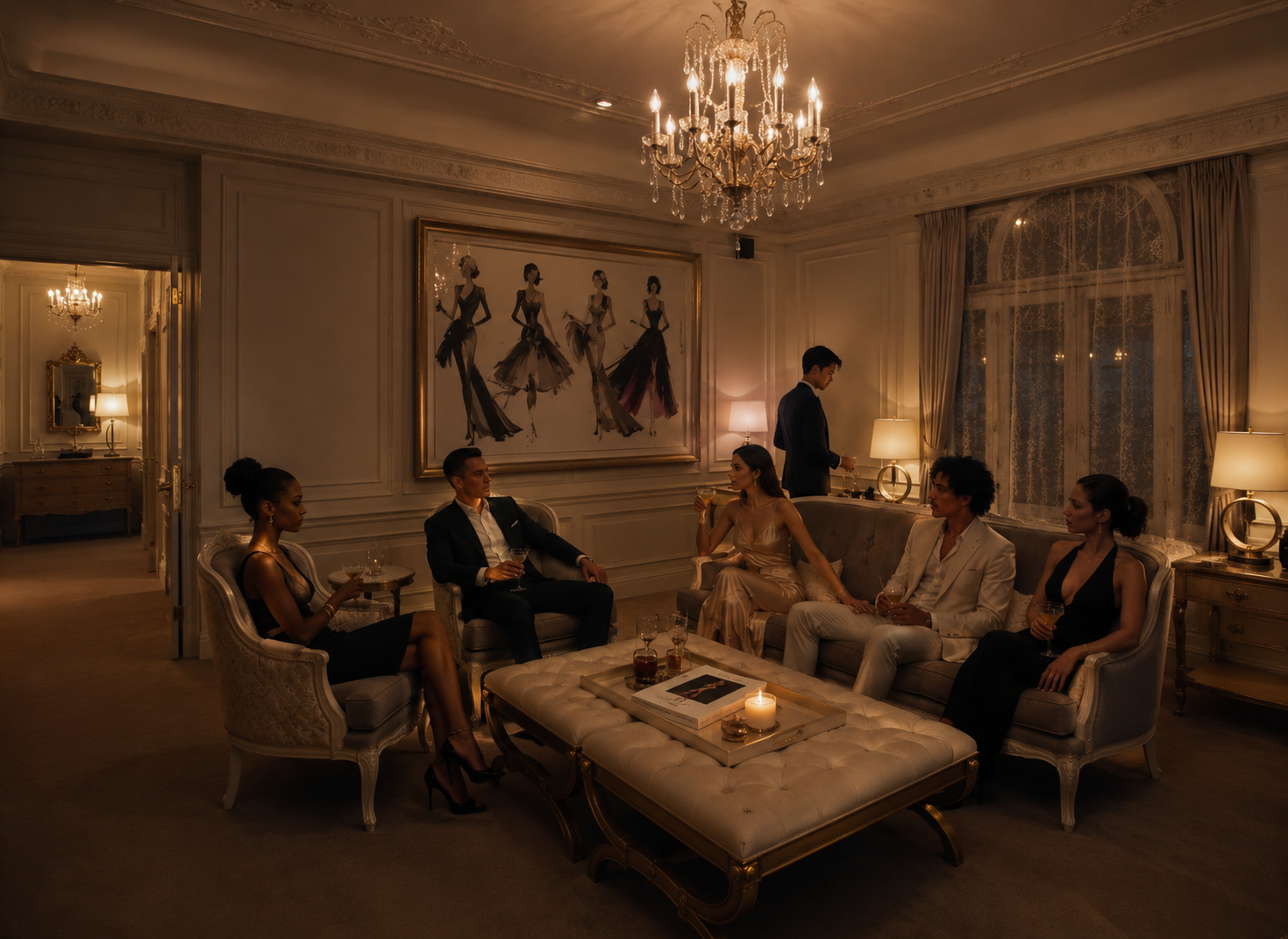
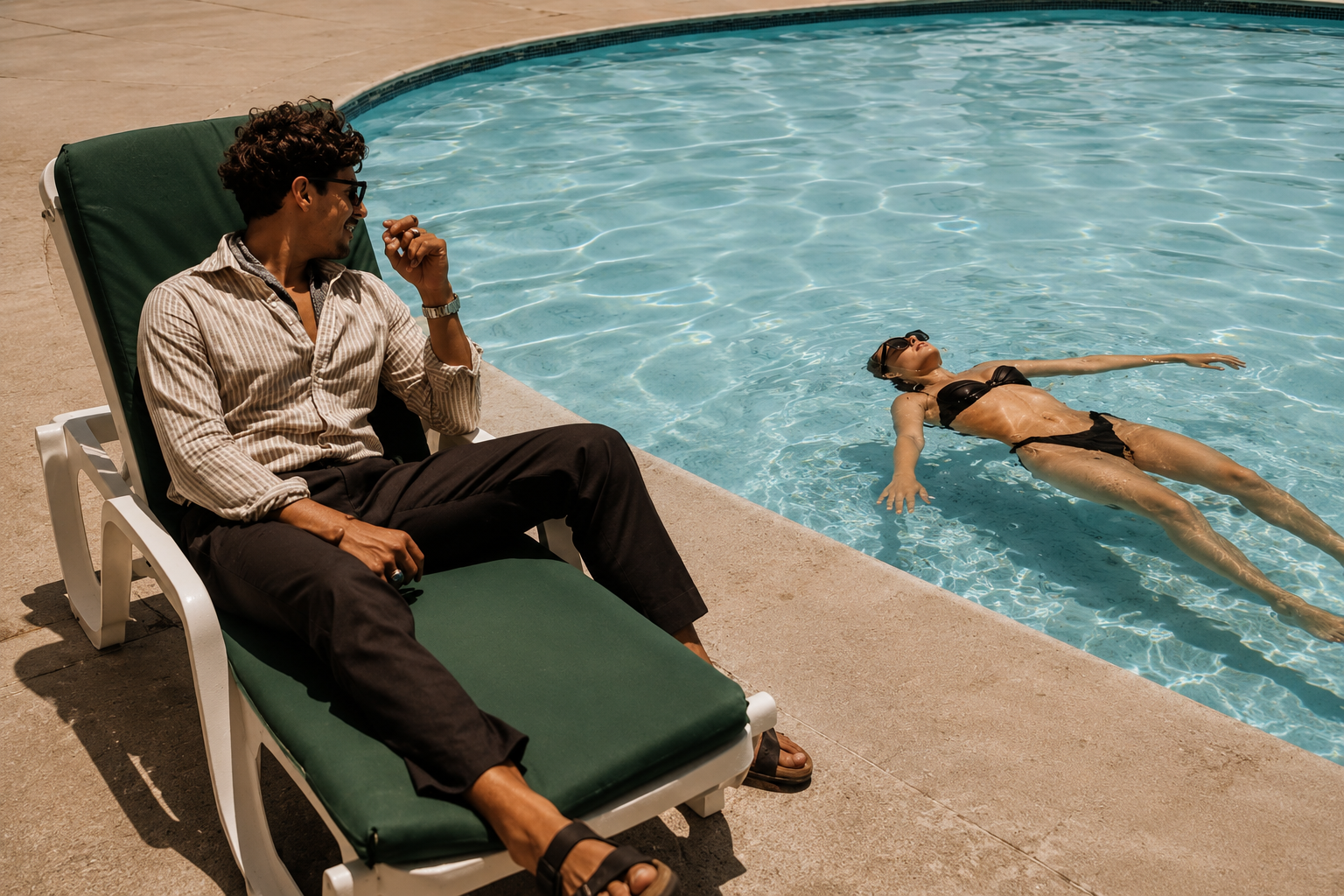
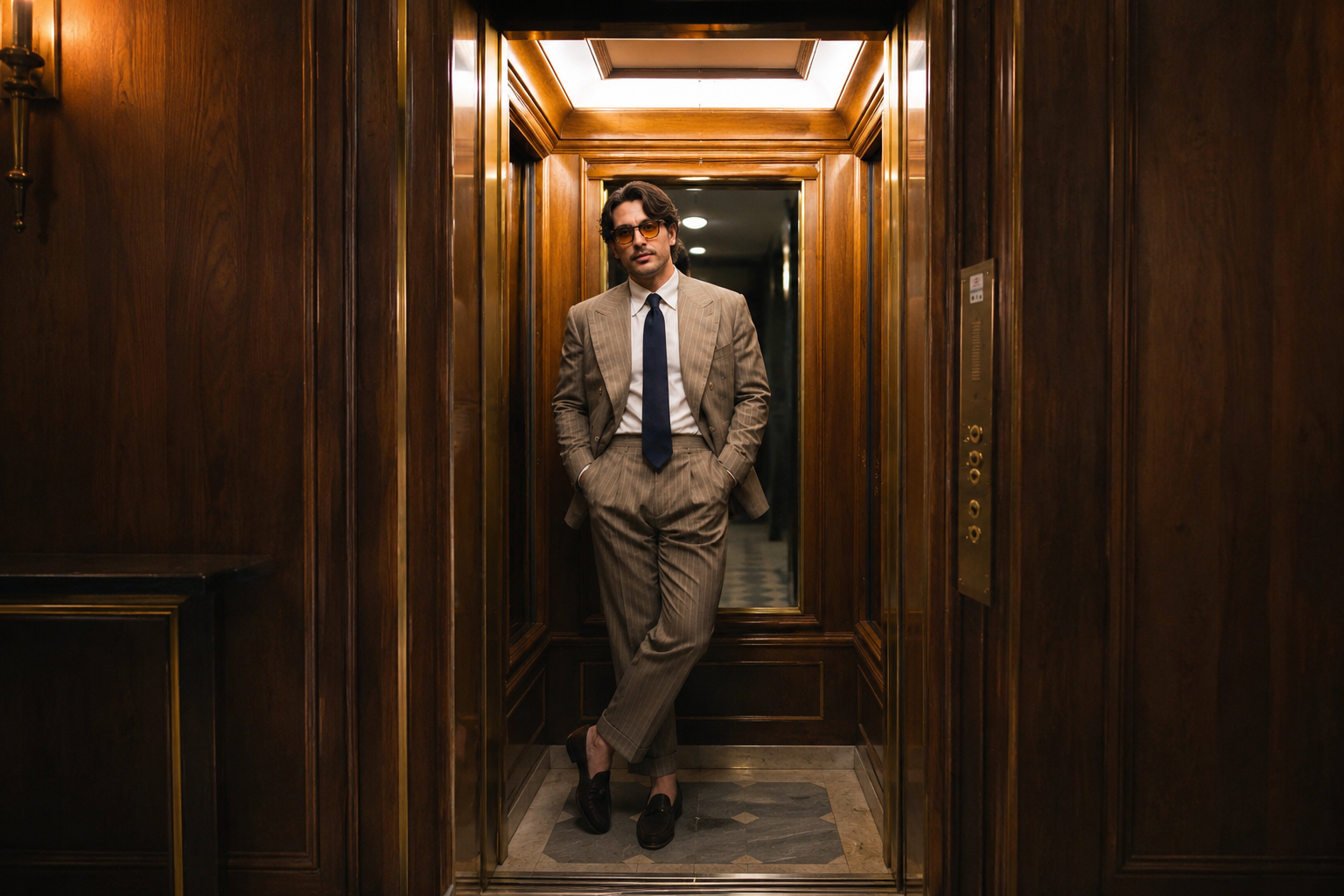
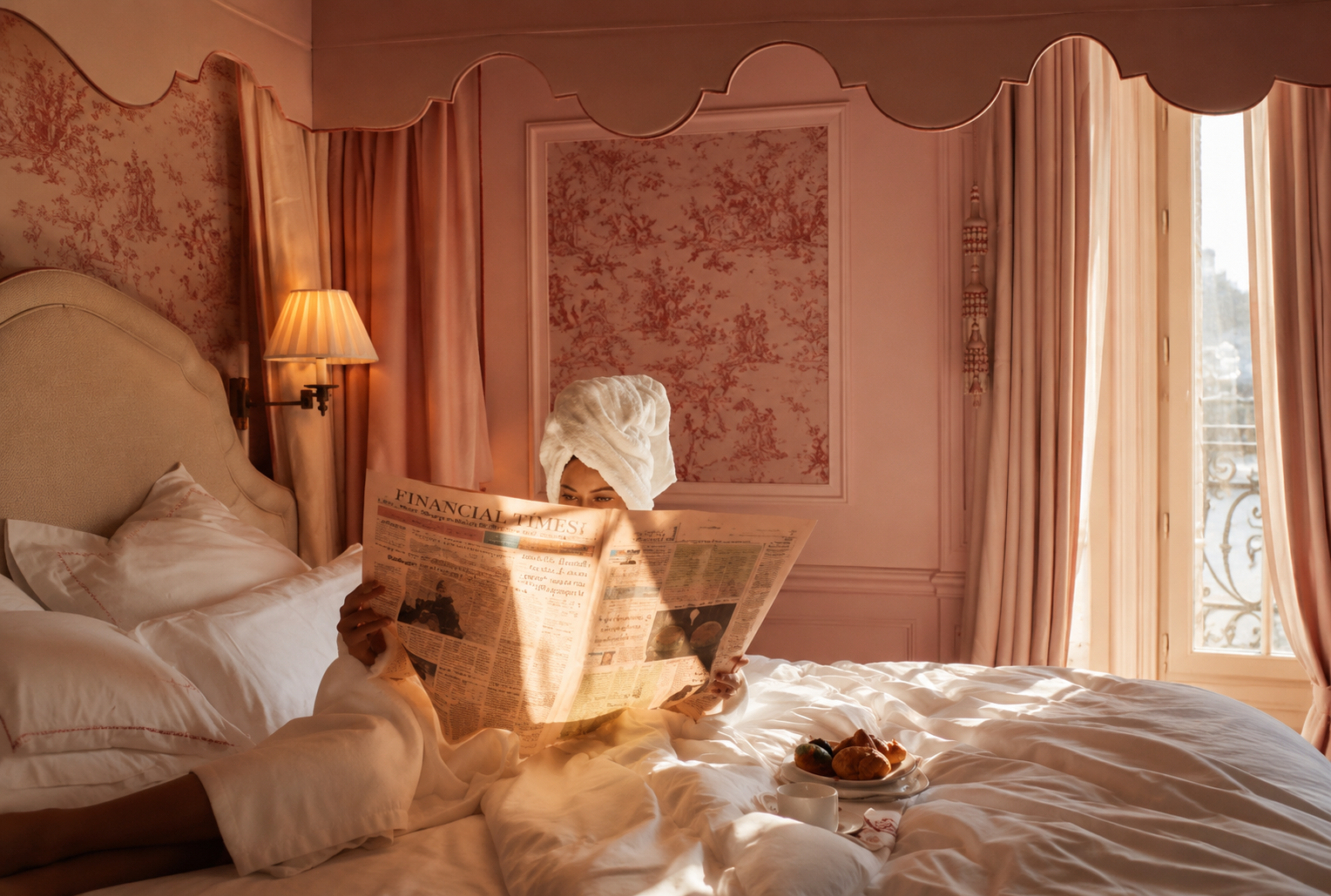
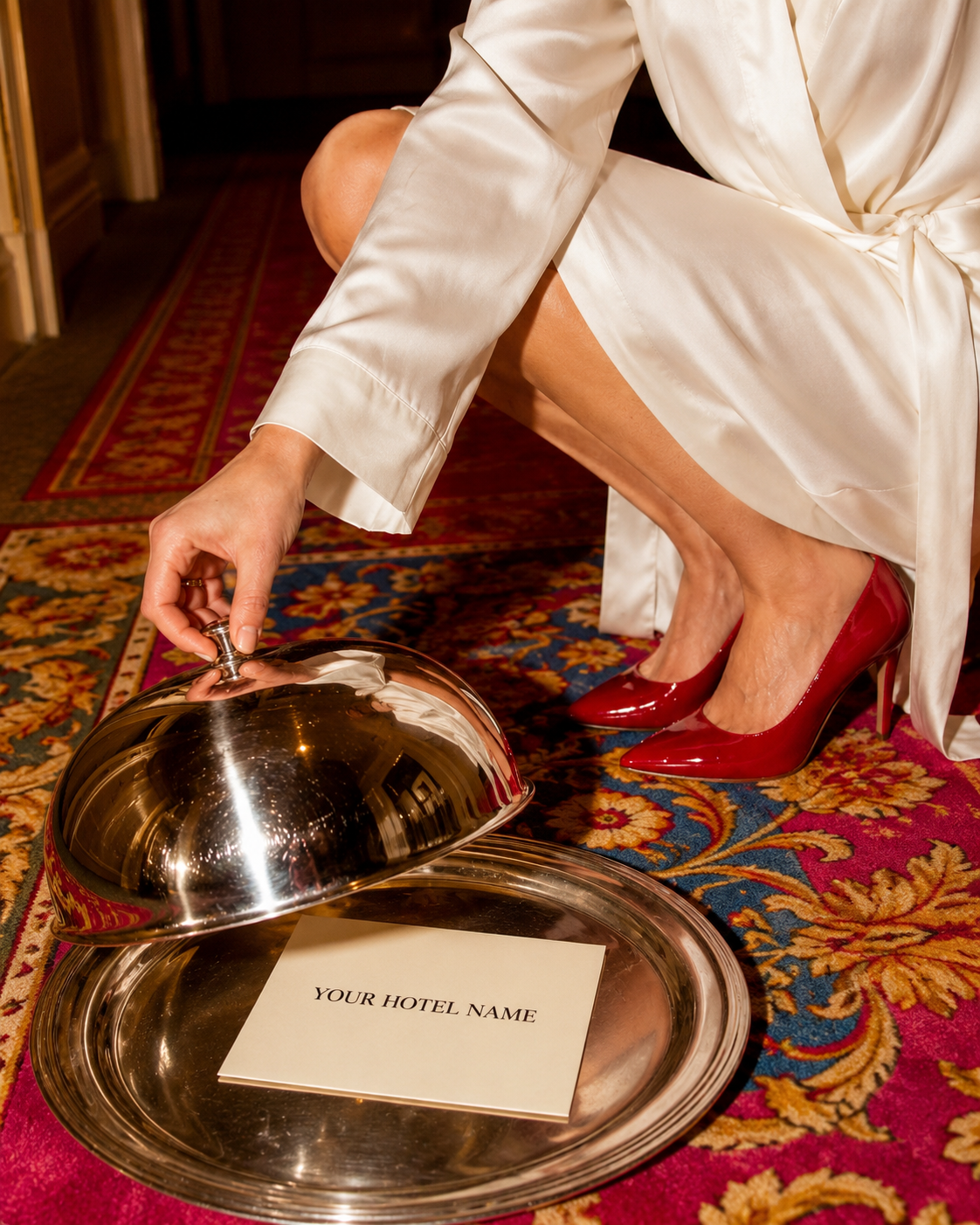
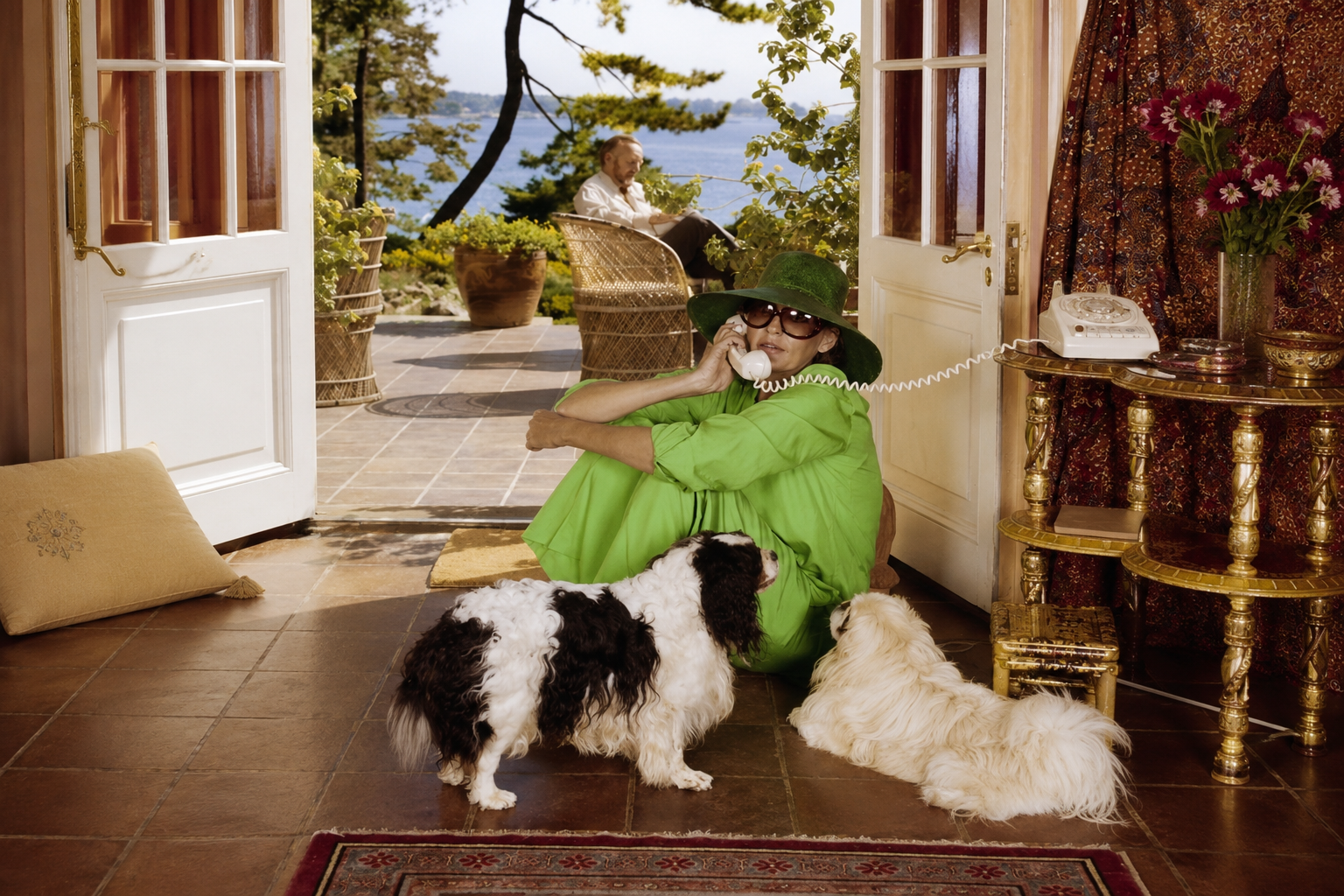


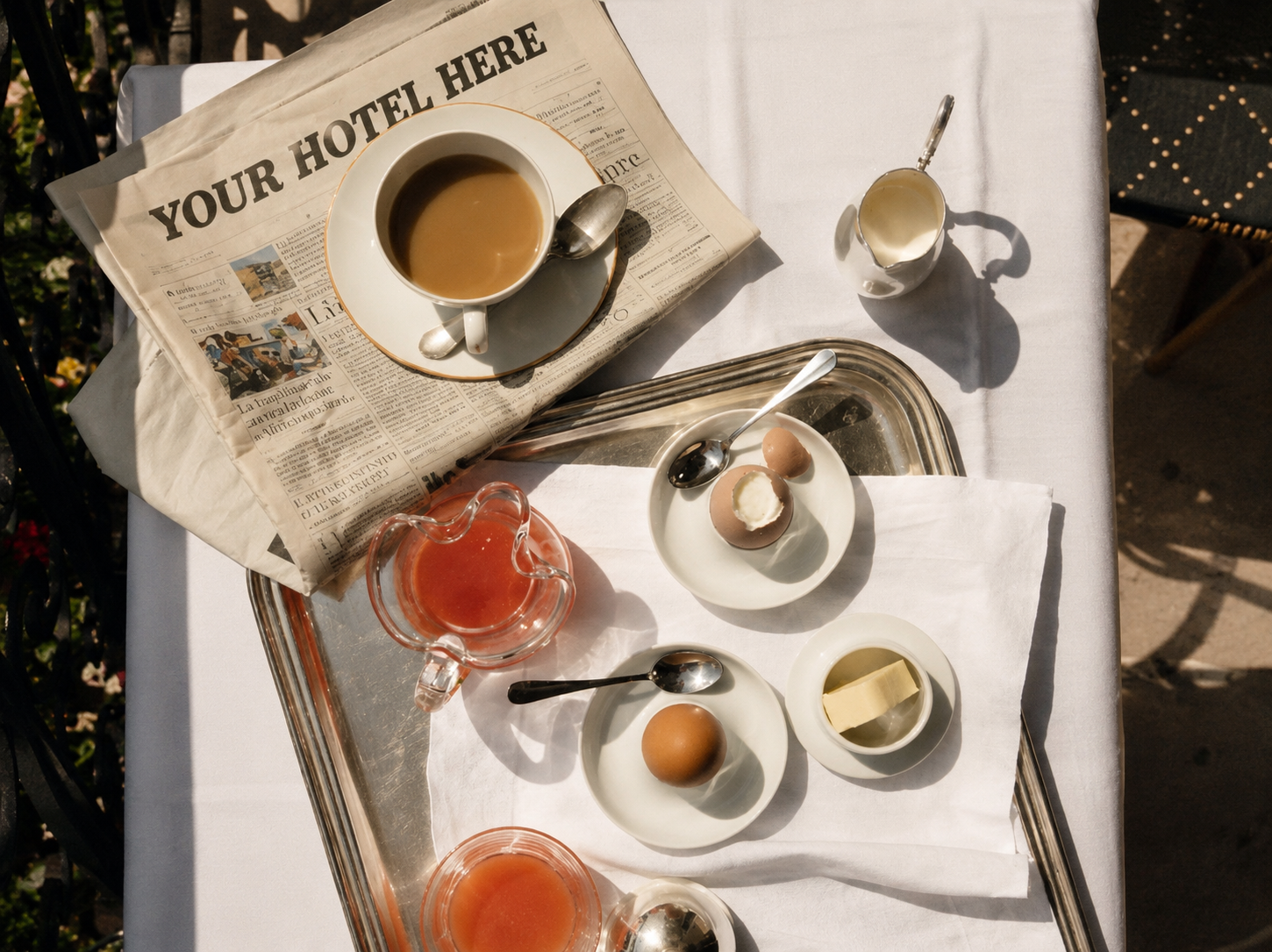

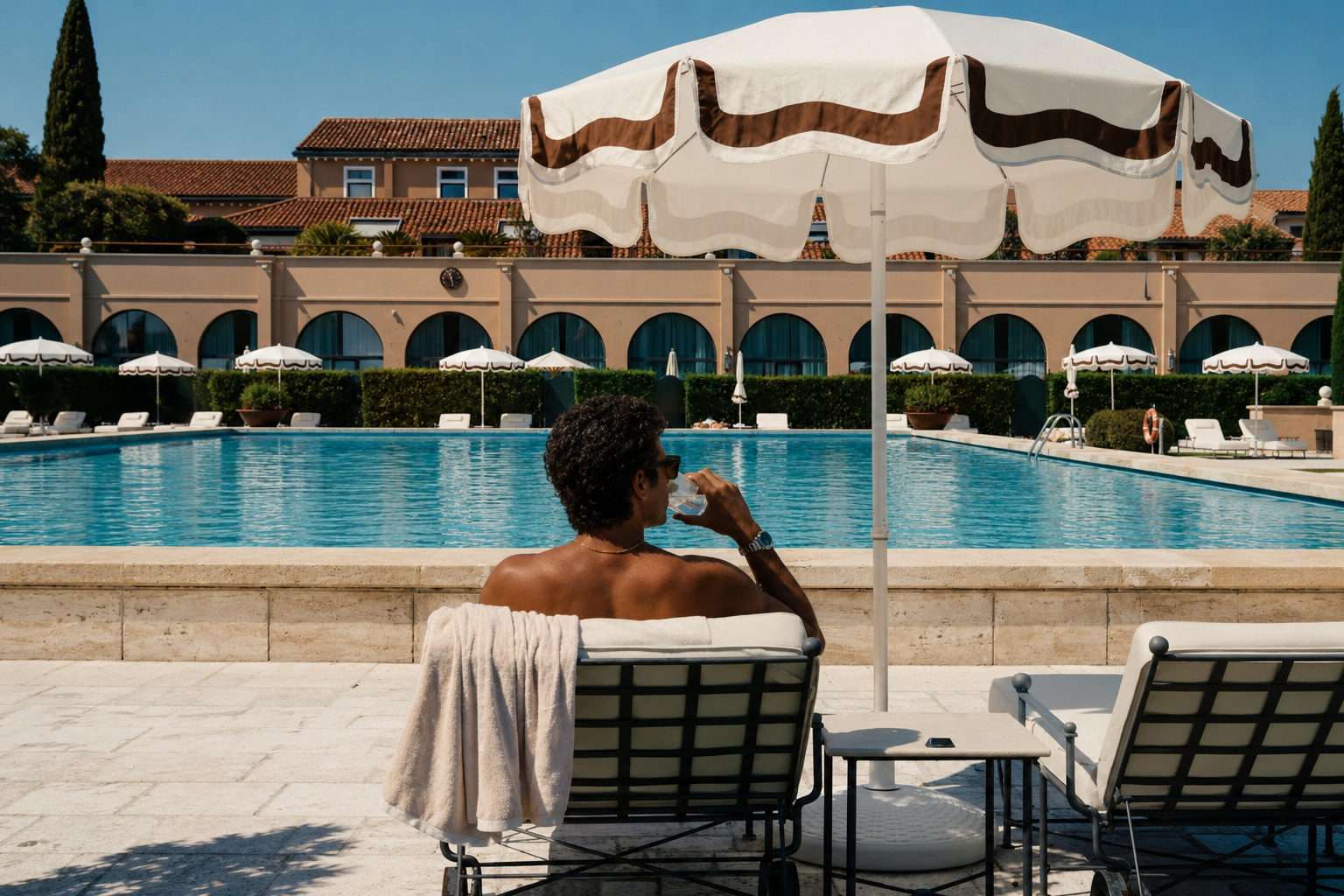

This content can appear in Google Search, image search, travel planning searches, social discovery, map-related results, and the increasingly important AI-assisted travel research process.
A hotel without it does not merely have fewer posts.
It has fewer paths for a guest to find it.
Your website cannot be the only place your hotel exists
Most hotel websites are built to convert a guest who already knows the property.
That is important—but it does not create enough discovery on its own.
Guests need to encounter the hotel in the context of a trip:
“What should I do in this city?”
“Where should we stay for a girls’ weekend?”
“Which hotel has the right location for a concert, wedding, business trip, or anniversary?”
“Is there actually something worth doing nearby?”
That is where editorial content, creator stays, destination guides, fresh imagery, and third-party stories matter.
They give search engines and future guests more evidence that the property is current, relevant, and worth choosing.
Old content is not a strategy
A hotel can have a beautiful website and still be disappearing.
If its most recent photography is years old, its local guide no longer reflects the destination, its restaurant or room pages lack depth, and nobody is publishing current stories about the guest experience, then competing hotels gradually occupy the search results instead.
They become the visible answer.
The property that stays quiet becomes the hotel guests never get a chance to consider.
Content must support revenue, not vanity metrics
The goal is not to publish endlessly.
It is to create the specific content that supports the property’s commercial needs:
need-date campaigns;
direct-booking landing pages;
group and celebration stays;
suites and high-value room categories;
restaurant, spa, rooftop, and experience revenue;
local events and seasonal travel;
the audiences a hotel actually wants more of.
A well-planned content programme gives a hotel something to be found for, something to share, and something to sell.
AML Hospitality builds hotel content around real guest search behaviour, current visual proof, destination relevance, and direct booking opportunity.