Hospitality Marketing in 2026: A Practical Guide for Hotels
Hospitality marketing is no longer a choice between beautiful brand imagery and measurable booking results. The strongest hotel marketing connects the two: it gives guests a clear reason to choose a property, then makes that choice easy to act on.
For hotels, resorts and restaurant-led properties, the goal is not to be everywhere online. It is to be recognisable, useful and consistent wherever a potential guest is deciding where to stay, eat or celebrate.
1. Start with a clear position
A hotel cannot market itself effectively with generic promises. “Luxury”, “memorable” and “unforgettable” may sound polished, but they do not explain who the property is for or why it deserves attention.
A useful positioning statement answers three questions:
• Who is the ideal guest?
• What feeling or experience does the property deliver best?
• What makes that experience credible?
This foundation should shape the website, image direction, social content, press outreach and booking messages. When each channel tells a different story, the guest has to do the work of understanding the brand.
2. Make the website the centre of the marketing system
Social media, partnerships and paid campaigns can create discovery. Your website must turn that attention into confidence.
A strong hospitality website needs:
• clear first-screen messaging about the property and its audience;
• recent, editorial-quality visual content;
• pages for the experiences guests actually search for;
• simple calls to action; and
• useful proof, such as press, guest experience details, photography and real project work.
Search visibility grows when a site helps guests and decision-makers answer real questions. A hotel marketing page should explain the work, show examples and make the next step obvious—not simply list a collection of services.
3. Build a content library around real guest questions
Authority is earned by being consistently helpful. For hospitality brands, the best subjects are usually practical: how to plan a content shoot, how to create imagery for a seasonal campaign, how to improve direct-booking pages, or how to decide between photography, creator content and AI-supported assets.
A good content library has one detailed guide at its centre, supported by shorter articles that explore specific questions. Each article should link naturally to a related service, project or next read. This tells readers—and search engines—that the brand has genuine depth in one subject area.
For example, a hotel marketing guide can connect to articles about hotel SEO, creator strategy, visual direction and AI imagery. The point is not to repeat the same message; it is to give useful context at every stage of a client’s decision.
4. Treat imagery as a commercial tool
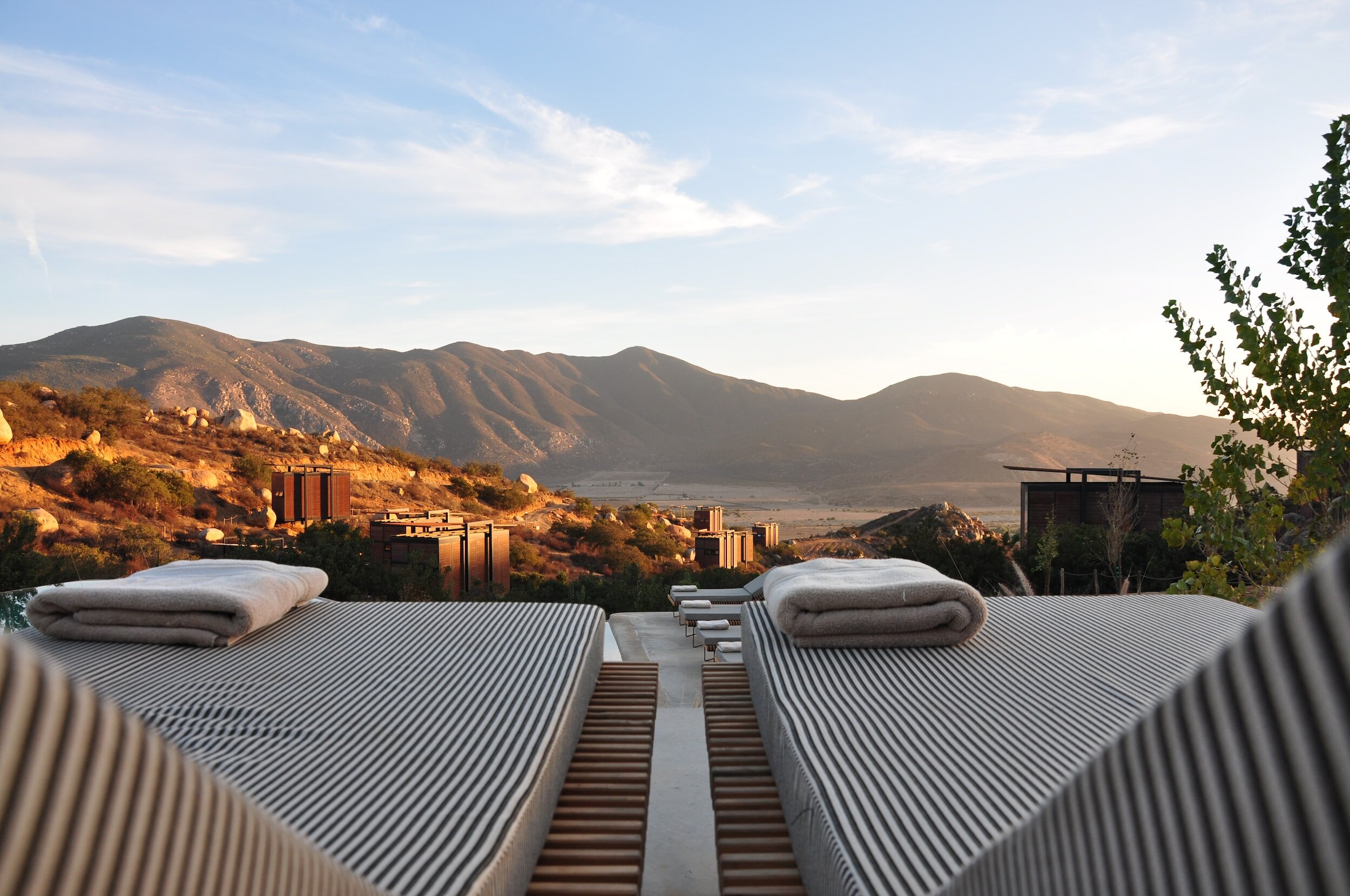
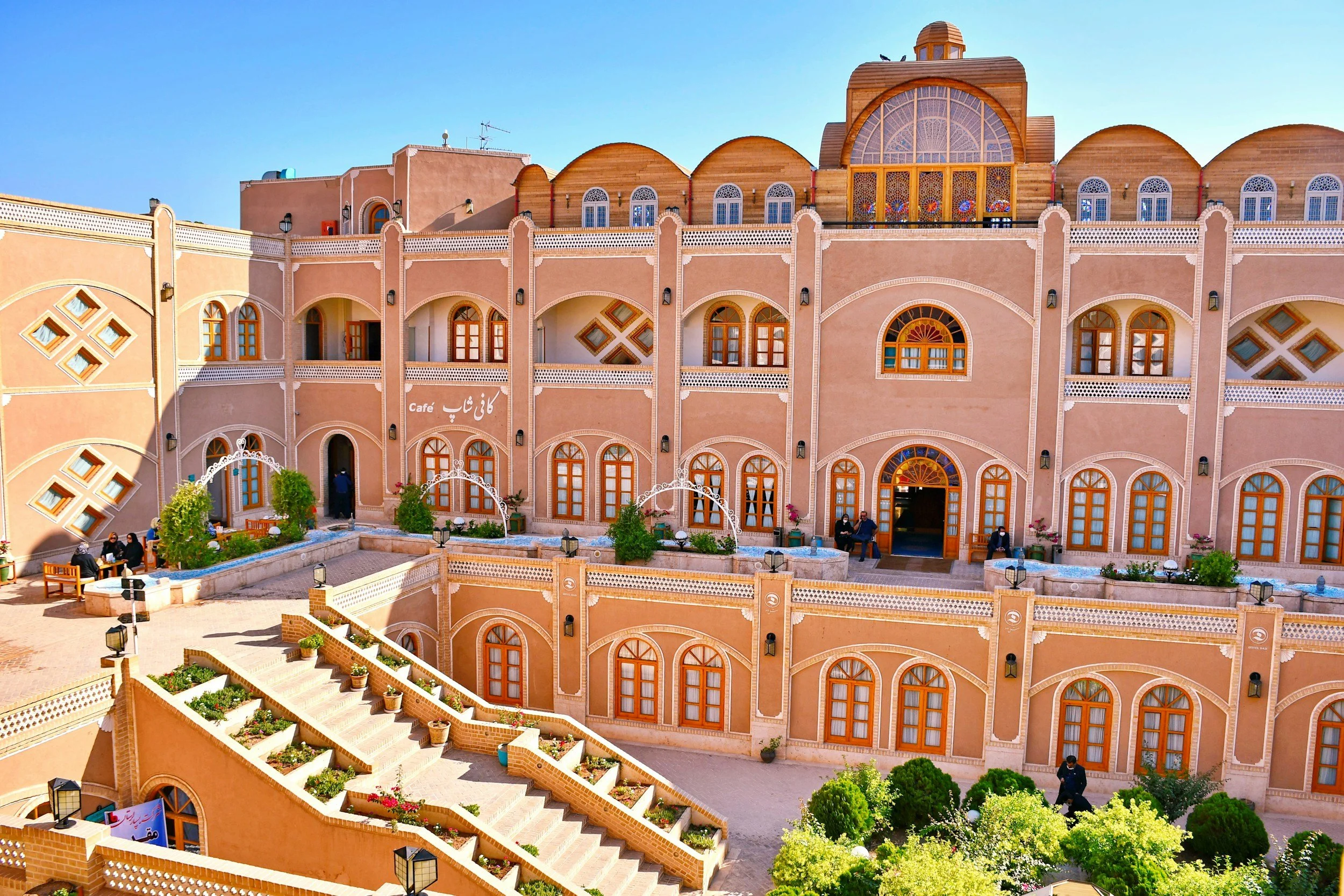
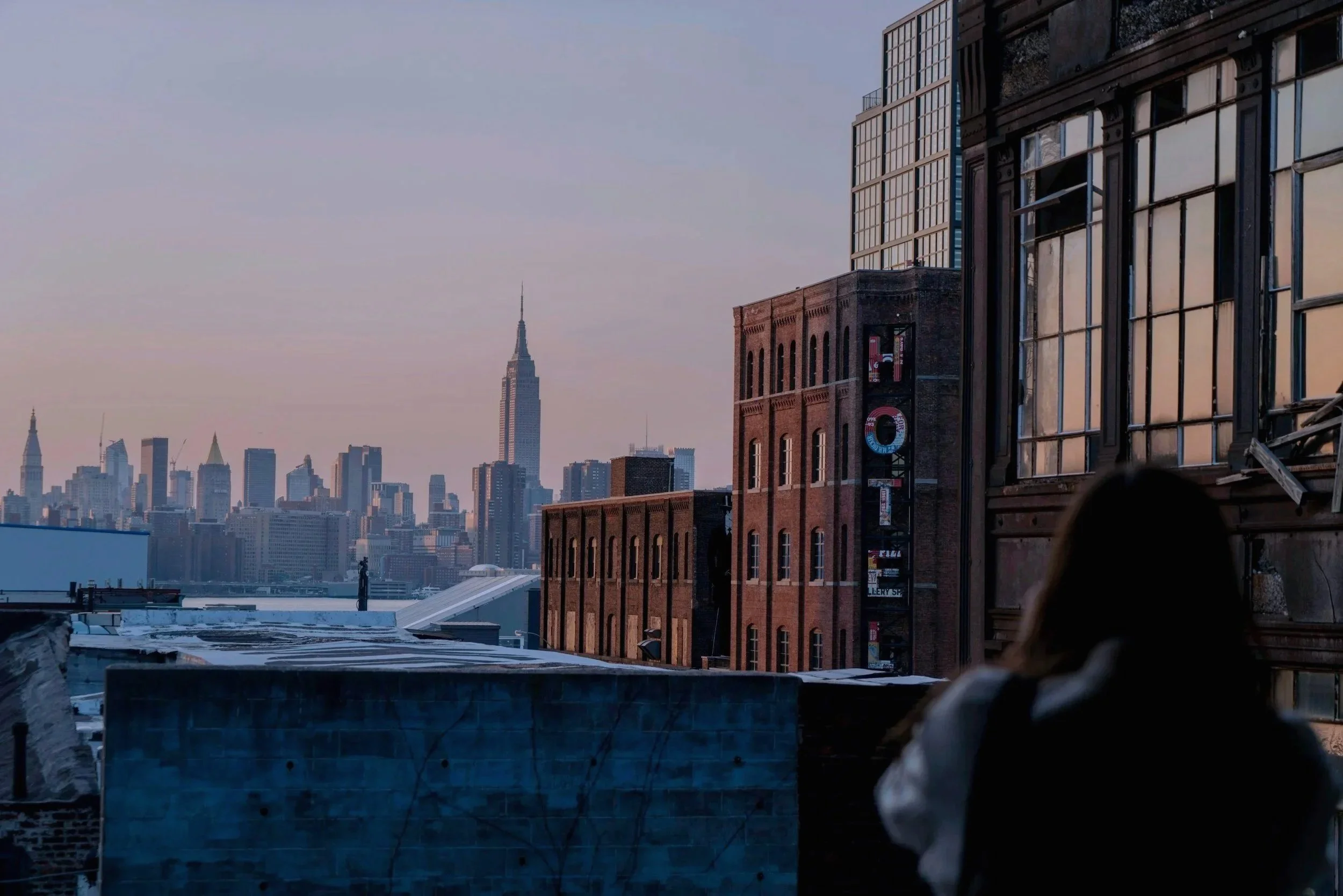
Good hospitality imagery does more than decorate a feed. It creates desire, communicates standards and gives a guest a reason to imagine themselves in a place.
The most effective content plans combine signature photography with flexible new assets for seasonal campaigns, social formats, landing pages and editorial stories. AI imagery can be valuable here when it is used with an intentional visual direction and an understanding of the property’s real character.
The question is not whether a hotel should use AI or traditional photography. It is which asset will do the best job for a specific message, channel and moment.
5. Measure the signals that matter
Vanity metrics can hide whether marketing is working. Hotels should watch the quality of website search traffic, enquiries, direct booking paths, content engagement and the questions prospective guests or partners ask most often.
Use those signals to improve the website and content library over time. The strongest hospitality marketing does not rely on a single campaign. It builds a recognisable body of work that makes the next campaign easier.
The next step
AML Hospitality helps hotels and hospitality brands develop editorial-quality visual content, positioning and flexible AI imagery. Explore the AI image gallery, view past hospitality projects, or book a complimentary strategy call to receive five custom AI images tailored to your property.
.